Vol 10, No 1 (2026)
https://doi.org/10.7577/njcie.6406
Article
Challenging Neocoloniality in Southeast Asian Higher Education: Charting the ASEAN Way of Regionalization through a Decolonial lens
Tinesh Indrarajah
Loyola University Chicago
Email: tindrarajah@luc.edu
Abstract
This paper argues that a decolonial response is needed in Southeast Asia to challenge the persisting neocoloniality of the higher education landscape in the region. Southeast Asia’s regional higher educational project is strongly influenced by internal (e.g., the Association of Southeast Asian Nations, or ASEAN) and external (e.g., European Union) forces that influence how higher education cooperation and collaboration are conceived. Due to the evidence of neocoloniality in the functioning of ASEAN, this paper argues that there is a decolonial imperative to challenge the existing modernity/coloniality dynamic in Southeast Asia’s higher education landscape. Utilizing an epistemic decolonization lens, this paper critically examines the role of Western (American and European) and non-Western (East Asian) neocolonial forces in charting Southeast Asia’s current higher education landscape. With decoloniality as the framework of analysis, this paper posits pluriversal possibilities grounded in three indigenous philosophies — namely, Malayan sejahtera, Papuan social ecology, and Filipino kapwa. These regional philosophies reflect a localized, collaborative, and sustainable vision for Southeast Asians that runs counter to the dominant higher education narratives of hyper-productivity and free market-oriented outcomes. Finally, this paper argues that a rethinking of the ASEAN Way is critically needed. The following three principles through which the ASEAN Way can be reimagined are proposed: the championing of equitable skills and knowledge redistribution, the development of each nation’s higher educational defining strength/s, and the investment in localized human capital. The new ASEAN Way posits a critical reimagining of existing policies to chart a decolonial Southeast Asian higher education regionalism identity.
Keywords: Neocoloniality, Indigenous Philosophies, Southeast Asia, ASEAN Way, Pluriversal
Introduction
Given the powerful influences of persisting deglobalization and the retreat towards regionalism globally, it is useful to examine Southeast Asia’s higher educational future. With the global consequence of the 2008 financial crisis, demand for globalization was paused in favor of pursuing more deglobalization strategies to protect nationally-oriented political and financial interests (James, 2018). The two clearest examples of this retreat both happened in 2016 — Donald Trump’s presidential win based on an “America First” agenda (Haass, 2021) and the “nativism”-inspired referendum result which eventually led to the exit of the United Kingdom from the European Union (Arnorsson & Zoega, 2018). The United States and the United Kingdom represent two of the most powerful voices in international politics, largely through their shared histories of colonialism, imperialism, and exploitation (Kohli, 2019); the fact that they are posturing internally is a clarion call to question, re-think, and re-interrogate the established global hierarchy of knowledge and power.
Education, with a specific focus on higher education, thus serves as a critical site of intervention in championing a decolonial praxis against these larger global trends of deglobalization, populism, and post-truthism (Chinn et al., 2021; Indrarajah et al., 2024). In the Southeast Asian context, higher education influences social, political, and economic mobility while also entrenching national and regional developmental ideologies (Hong & Songan, 2011). However, in the field of comparative and international education (CIE), research focus on Southeast Asian higher education is nascent, with most articles generally focused on how the Southeast Asian higher educational project intersects with other regional educational systems (Camroux, 2010; Chou & Ravinet, 2017). Therefore, there is an urgent need for greater diversification of the CIE field in illuminating the foundations of Southeast Asian higher education and imagining the region's future in light of global influences.
Southeast Asia is a region with 11 countries that share differing colonial histories, stages of development, and higher educational quality. At the crossroads of the Indian Ocean and South China Sea, Southeast Asia has always been a hub for global trade and travel, and consequently, a battleground for superpower control. Aside from the persisting neocolonial influences of European and American powers, the region also contends with East Asian powers like China and Japan and thus is considered a “fulcrum” in a changing regional landscape (Caballero-Anthony, 2014). Additionally, Southeast Asia is powered by a young population; over 50% of Southeast Asians are in their productive years (20-54 years old) and roughly 33% are under the age of 20 (Lim et al., 2022). With a population of around 671 million people, Southeast Asia is the third most populous entity after India and China. As a single economic bloc, the region has the fifth-largest economy, with a total GDP of USD 3 trillion (Mahbubani, 2022). The coordination of the region’s political, economic, and social policies is handled by the Association of Southeast Asian Nations (ASEAN), the primary regional organization in Southeast Asia. As such, a thorough excavation and examination of the region’s current higher educational priorities is critically needed, in order to chart a decolonial future for the region rooted in collaboration, indigeneity, and sustainability.
Looking ahead, this analysis begins by outlining Southeast Asia’s existing higher educational landscape and how it was shaped over time by internal (e.g., ASEAN) and external (e.g., European Union) forces. Southeast Asia’s neocolonial educational context is then explained, and this analysis then posits that an epistemic decolonization framework is needed to counter the region’s existing neocoloniality. With decoloniality as the guiding framework, pluriversal possibilities are imagined for Southeast Asian higher education rooted in three indigenous philosophies. The ASEAN Way is then rethought and applied to existing policies to imagine what a decolonial Southeast Asian higher education regionalism identity would look like.
Positionality and Methodology
As the sole author, I approach this study as a Southeast Asian who was born and raised in the region. My formative years in Malaysia and Singapore taught me about the similarities and differences in culture, politics, and philosophies of both countries, and of Southeast Asia as a whole. Being a racial minority in both countries, I am acutely aware of how the histories of colonialism, racialization, and global inequities affect my lived experiences as a person, and now as a critical scholar of education. My work as a student affairs professional has also allowed me to form meaningful partnerships with educational scholars and institutions from Vietnam, Cambodia, Indonesia, and Brunei, and these interactions have solidified my belief in the value of outlining our shared educational experiences, expectations, and outlooks within the region. I continue to be deeply inspired by the work of my fellow Southeast Asians in re/asserting their sense of identity and culture, and this paper furthers that scholarship by deepening academic engagement about the region by the people of the region. This work also informs my wider scholarly agenda to critically redress historical injustice, elevate indigenous knowledge systems, and promote structural wellness in higher education.
Methodologically, this conceptual synthesis is situated within critical policy studies. This work was motivated by the ways in which higher educational policies were framed, the people involved in the decision-making, the implementation of these policies, and the intended outcomes of the policies (Diem et al., 2014; Field et al., 2023; Taylor, 1997). Interrogating the neocolonial context within which ASEAN operates is instrumental to examine the efficacy of ASEAN in successfully defining a higher education identity for Southeast Asia reflective of its people. To that end, literature on Southeast Asian higher education, the role of regional organizations in education, neocoloniality and decoloniality, and indigenous philosophies in Southeast Asia, as well as publicly available policy documents (e.g., ASEAN policy briefs) were consulted to ground this conceptual analysis. Particular attention was also paid to scholars with marginalized identities, in the active effort to amplify voices which have largely been excluded from CIE research on Southeast Asia (Diem et al., 2014), reflecting the critical focus and grounding of this article.
Southeast Asian Higher Education
In the domain of higher education, ASEAN strives to replicate the European Union’s (EU) Bologna process to allow for more seamless student mobility and credit transfer in Southeast Asia (see Chi Hou et al., 2017; Chou & Ravinet, 2017; Welch, 2012). More recently, ASEAN and the Southeast Asian Ministers of Education Organization (SEAMEO) jointly declared the Common Space in Southeast Asian Higher Education initiative that would serve as a catalyst in “accelerating educational, economic, political and sociocultural development agendas.” (ASEAN, 2024) This ability of Southeast Asian nations to collaborate for a shared purpose underscores the value of intra-regionalism, where collective action by nations in a region allows that region to act as if it was one unified state (Robertson, 2010). However, CIE scholars note that the higher educational harmonization process in Southeast Asia functions less smoothly than in Europe because of the ASEAN Way of leadership in Southeast Asia — generally based upon the principles of non-interference, consensus-building, and respect for national sovereignty (Koga, 2010; Wongburanavart, 2022) — compared to the top-down, more direct style of leadership in the EU (Chou & Ravinet, 2017). Each of these three principles are embodied responses towards colonialism, as the newly independent, post-World War II Southeast Asian nations did not wish to replicate harmful colonial behavior by overstepping into the internal affairs of their neighbors. The region was also still recovering from the Konfrontasi between Indonesia and Malaysia in the 1960s, with nation state leaders seeking to forge closer economic cooperation amidst worries of communism in the region (Rahman, 2018). Therefore, the colonization and decolonization processes created a nation-first mindset where Southeast Asian countries had to focus on their own development amidst the evolving geopolitical climate during the Cold War. Ironically, the act of looking inward and self-prioritization represented an evolved version of the “divide and rule” policy of the colonial era, in which nations embarked on separate developmental pathways despite sharing geographical, cultural, and economic ties (Nkrumah, 1965).
Consequently, the higher educational growth of countries in the region also took significantly different paths depending on their colonial history, cultural makeup, and economic capacities. The wide-scale exploitation and violence of the British Empire, followed by the rise of the United States after they dropped the atomic bomb in World War II cemented Anglo-American global influence. And by proxy, entrenched the hegemony of the English language as the global lingua franca (Altbach, 2007; Phillipson, 2012). Former Southeast Asian British and American colonies like Malaysia, Singapore, and the Philippines thus had an advantage in their higher educational progress due to their familiarity with English, which had rapidly become the global academic and intellectual language by the 1950s (Altbach, 2007). Indonesia, the largest Southeast Asian nation, had to contend with unifying a nation of 230 million people, from 500 ethnic groups, spread across 14,000 islands. Reflecting their religious identity as the most populous Muslim-majority country globally, Indonesian higher education integrated Islamic traditions into the higher educational sector with the proliferation of Muhammadiyah universities (Welch, 2012). Vietnam’s experience, reflecting that of other Indo-Chinese states, involved navigating (neo)colonial influences of Chinese, French, American, and Soviet forces on their higher educational systems. The result was a complex hybrid system that centered Vietnamese language and culture (especially with the spread of Chữ Quốc Ngữ, the alphabet) (Trinh, 2018).
The three brief descriptions above of the heterogeneous higher education experiences of Southeast Asian countries reveal a regionalism project differentiated by history and politics, yet bonded by geography and economics. The work of developing a transformative higher education regionalism identity requires contextualizing, explicating, and interrogating Southeast Asia’s colonial history, which this research strives to accomplish through a critical decolonial praxis.
Neocolonialism and Epistemic Decolonization
Neocolonialism operates in colonized nations through the perpetuation of colonial influence, control, and power, despite no longer living under the direct violence of colonization (Nkrumah, 1965). This indirect and subtle form of dominance is often derived from controlling the economic flow of goods and services (Nguyen et al., 2009). Such control is also evidenced in the educational sphere. Scholars note that almost all education systems being studied in CIE, including in Southeast Asia, had roots during the colonial era and were thus developed by policymakers to serve colonial goals and outcomes (Crossley & Tikly, 2004; Mignolo & Walsh, 2018; Quijano, 2000). The ideological thrust of this paper focuses on the re-narrativization of the colonial educational project — from the narrative of colonized societies needing colonial education, to the more postcolonial reading of the violence of colonialism sparking the entry of colonized societies into global capitalism (Crossley & Tikly, 2004; Omodan, 2025; Tuck & Yang, 2021). Southeast Asian nations had to grapple with the aftermath of decolonization to figure out their positions in a new world order, even as the hierarchies of power and control continued to reflect the structures of colonialism (Quijano, 2000; Stein et al., 2016). In education, Rizvi (2004) stresses that the cultural flow of educational research is still primarily one-directional — from “the West” to “the Rest” — revealing the underlying neocoloniality that dominates CIE research. The adoption of decolonial interventions by CIE scholars is necessary to redress the persisting adverse effects of colonialism on educational progress (Mignolo & Walsh, 2018; Stein et al., 2016).
The call for a greater decolonial focus in comparative and international educational research was most recently expressed by the new co-editors of the Comparative Education Review, Drs. jules and Salajan. Specifically, they stressed the need for:
Decolonizing education systems, curricula, and research to confront the colonial legacies of past and current policies and practices that continue to define and shape, to a substantial extent, educational delivery and knowledge production in much of the postcolonial “developing world” (Mignolo 2007; Quijano 2007). Comparative research needs to remain acutely aware of and responsive to the histories of repressive and oppres-sive educational regimes imposed on Indigenous cultures in the Global North and especially in the Global South (Mukherjee 2019). Thus, it is imperative to elevate comparative education research that amplifies the voices of scholars who are from or who research Indigenous communities and colonized populations worldwide (jules & Salajan, 2024, p. 5).
However, some CIE scholars viewed the call for greater decolonial focus as a dogmatic directive to engage in a “culture war” where the performativity of positionalities and identities trump and threaten the ability of scholars to provide “forceful and coherent critiques” (Vickers & Epstein, 2024, p. 2). Vickers and Epstein (2024) argue that the decolonial ask in CIE is too Eurocentric in focus, perpetuates simplistic dichotomies of “West” and “non-West”, embodies a victim-perpetrator dichotomy, and lacks significant engagement with oppressive (even colonial) non-Western regimes. This research responds directly to opponents of increased decolonial emphasis in CIE research by employing an epistemic decolonization stance focusing on the Southeast Asian higher education context.
Epistemic decolonization is both a resistance to colonial-imposed knowledge systems and a desire to reassert indigenous knowledge adversely affected by colonialism (Moosavi & Alatas, 2024; Ndlovu‐Gatsheni, 2015; Posholi, 2020). The epistemic wrongs of colonialism are insidious, mired in “objectivity” and “rationality”, and propagated through media and academia, such that colonial knowledge systems are considered “facts” and “truths” (Posholi, 2020). A reading of Alcoff (2007) challenges Vickers’ and Epstein's (2024) avoidance of engaging in identity and positionality work by illustrating that “creating, developing, and maintaining a hierarchy of knowledge and knowers particularly adapted for colonialism” (p. 82) was done explicitly through a discriminatory understanding of racialized hierarchies of identities. Said differently, the existing global hierarchy of knowledge was created without many important identities in the conversation; hence, CIE research needs to accurately compensate by centering those marginalized identities and questioning the epistemological and ontological roots of dominant knowledge in the field.
Doing so not only exposes the “latent Eurocentrism characteristic of our dominant paradigms of knowledge and major concepts” but also engages in “the reconstructive task of reformulating and reconstructing our knowledge systems and norms” (Posholi, 2020, p. 280; also see Grosfoguel, 2013). In the Southeast Asian context, the work of epistemic decolonization in higher education has the potential of guiding research away from established Eurocentric norms that are not authentic and true to the culture of the region, and toward pluriversal understandings of knowing and being (Mignolo & Walsh, 2018; Moosavi & Alatas, 2024). The introduction of pluriversal possibilities of knowledge also allows for the critical examination of colonial difference and reasserts simultaneity in being, knowing, and belonging for all, regardless of value to the global neocolonial and neoliberal agenda (Alcoff, 2007). The lack of interrogation of the binaries of “Global South” and “Global North” or “West” and “non-West” forces scholarship into simplified geographical buckets. This research applies historical, rather than geographical, lenses when describing global regimes of power. In the vein of epistemic decolonial analysis, this paper posits identifying nations/states/powers as exploiting forces and conversely, forces who have suffered structural exploitation. Naming these forces in this way centers their actions and impacts on others, rather than their places of origin (with recognition that geographical locale and proximity can certainly influence action). Drawing from Rodney’s (1972) work on the role colonialism played in under-developing Africa, this paper similarly posits that the terms over-developed and under-developed are more accurate terminologies to describe the current effects of exploiting and exploited nations. It is also critical to recognize the structural nature of these exploitative practices in entrenching the hierarchies of power and knowledge through control of curricula, pedagogy, and scholarship (Alatas, 2024; Nkrumah, 1965). Therefore, Southeast Asia’s under- and differently-developed higher educational context today was created and informed by its asymmetrical relationship with exploiting forces — namely, past colonial powers.
The unequal relationship between formerly colonial powers and their colonized states leads to the dissemination of colonial cultural norms and curricula to Southeast Asian students which entrenches neocoloniality in the educational structure of the region (Alam et al., 2013; Healey & Michael, 2015; Hong & Songan, 2011; Schulze & Kleibert, 2021). This one-directional knowledge flow reifies the notion that the exploiting powers are “experts” in higher education, and the exploited nations need to strive to replicate their processes, mechanisms, and eventually, outcomes. However, when considering the effects of transnational policy borrowing, amidst the backdrop of the pause in globalization and the retreat towards regionalistic understandings, Steiner-Khamsi (2014) cautions against blindly following international standards of best practices. Rather, she pushes for a more developed understanding of how to translate policies to the local context. This analysis expands her argument by positing that Southeast Asian nations need to develop a more robust understanding of their indigenous philosophies that undergird their societal, and consequently their higher educational, systems (discussed more extensively in the following section). This work is particularly timely as Southeast Asia, through ASEAN, is currently very involved in transnational policy borrowing with the Bologna Process positioned as the ideal higher education regional model (ASEAN, 2022; ASEAN, n.d.; Chou & Ravinet, 2017). When speaking about the role of the European Union in the creation of ASEAN’s common higher educational project, H. E. Giorgio Aliberti, the EU Ambassador to Vietnam, emphasized the importance of transnational educational cooperation to assert EU’s norms globally through soft power imposition (EEAS, 2020). Comments like his reflect the perspective of Southeast Asia in the eyes of exploiting nations – a divided regional architecture that presents opportunities for not only revenue generation through educational partnerships, but to also ensure that geopolitical interests are cemented by the transfer and sharing of aid and resources. A decolonial praxis must be enacted in the region to ensure that such perspectives are interrogated and prevented from defining Southeast Asian higher education moving forward.
Before making the case for the need of decoloniality as a critical intervention, a full discussion of Southeast Asian higher educational regional development cannot exist without explicit mention of the neocolonial forces of Eastern powers like China and Japan in the region (Cheok & Chen, 2019). In responding to Vickers & Epstein’s (2024) lament at the lack of analysis on “non-Western” colonial regimes, this paper recognizes the long history of influence both East Asian nations have had on Southeast Asian educational development. China geographically (through both land and sea) borders almost every Southeast Asian nation, but their influence is particularly pronounced on their Indo-Chinese neighbors. Welch (2012) notes how Chinese Confucianism has informed Vietnamese cultural norms, architecture, and higher education. The Imperial Academy in Vietnam was established in 1076 to educate Vietnamese scholars for the Confucian examination as part of their civil servant training (Trần, 2023). China’s recent provocations in the South China Sea disputes (Cheok & Chen, 2019) and its close economic ties with Cambodia (Pheakdey, 2012) underlies the need to adequately consider China’s persisting neocolonial influence on Southeast Asia.
Japan, on the other hand, were more direct in their imposition of their power in the region through their violent colonization of Southeast Asia during World War II and their aspiration to “Nipponize” the local population by acculturating them into the Japanese language and culture (Liao, 2021). Japanese colonization was also presented as a larger movement to remove European dominance from the region in exchange for a new Asiatic modernity under Japanese rule (Liao, 2021; Loo, 2013). The promise of excising European control from the region was certainly enticing to segments of Southeast Asians leadership during the colonial period as it provided a new possibility of statehood devoid of European influence (Loo, 2013). Therefore, it is not possible to unravel the intertwined strands of Western and Eastern coloniality in Southeast Asia without first recognizing the primordial effect of European colonization and hegemony in the region beginning in the 16th century. Even today, Japan continues to influence educational outcomes in the region by initiating the establishment of the ASEAN Plus Three Working Group on Mobility and Quality Assurance of Higher Education which seeks to encourage greater student mobility between Southeast and East Asia (ASEAN Plus Three, n.d.).
Applying a critical policy lens, the fact that Japan initiated this working group reveals that ASEAN continues to implicitly follow the educational agenda set forth by its regional partners, especially those who possess neocolonial interests. ASEAN’s, and by extension Southeast Asia’s, posturing towards external forces is also evidenced by its provision of higher education scholarships for ASEAN citizens only to China and Japan (ASEAN University Network (AUN), n.d.) and that only 10% of student movement in the region occurs between Southeast Asian nations (Lim et al., 2022). These examples underscore an organizational lack of investment in developing a Southeast Asian higher education ecosystem where financial, political, and human support is directed towards championing an internal model of educational success. Without a long-term, regionally informed plan, ASEAN youths will continue to look beyond Southeast Asia’s shores for higher educational opportunities that align with the vision of educational excellence that has been perpetuated by neocolonial influence (Ullah, 2018). Therefore, to counter this trend, this work pushes for a decolonial praxis, with an emphasis on creating pluriversal outcomes to combat and resist imbalance in the global higher educational hierarchy (Mignolo & Walsh, 2018; Zhang, 2025), especially with increasing evidence of superpowers retreating into self-interested parochialism (Haass, 2021).
Pluriversal Possibilities
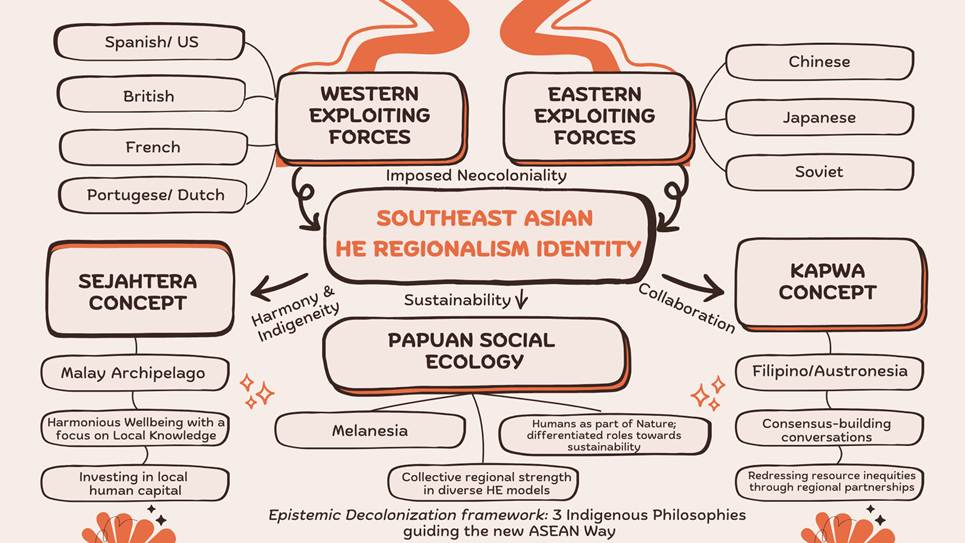
Figure 1. Epistemic Decolonization framework
Southeast Asia is one of the few educational regionalisms that use their local language as the primary language of administration and socialization unlike colonized counterparts in South America, Africa, and Oceania (Mufwene, 2002). The rejection of colonial languages reflects the region’s ability to epistemologically decolonize and critically interrogate the neocolonial power structures that are imposed upon it (Moosavi & Alatas, 2024). Similarly, for higher education, this work grounds Southeast Asia’s epistemic decolonization response on two intertwined principles. First, the active rejection of colonial knowledge systems that advance competition, privatization, and individual accumulation in the pursuit of neoliberal profits and environmental degradation (Mignolo & Walsh, 2018; Rao, 2000). And second, the championing of communal approaches to being and learning that reflects ancestral cultural norms authentic to the local population (Omodan, 2025; Tuck & Yang, 2021). Taken together, these principles outline a decolonial praxis rooted in collaboration, indigeneity, and sustainability that challenges the existing modernity/coloniality dynamic in higher education and posits pluriversal possibilities about how a regional higher education project could exist and function.
Figure 1 above outlines the Western and Eastern neocolonial influences that affect Southeast Asia and the three indigenous philosophies – Malayan sejahtera, Papuan social ecology, and Filipino kapwa – that this work argues should undergird the region’s decolonial response to neocoloniality. The three philosophies were chosen to not only represent geographical diversity within Southeast Asia, but to also articulate different theoretical principles that would collectively create a decolonial higher education regionalism identity. This paper acknowledges that these three philosophies are not the only ones that embody the epistemic decolonial framing this work proposes. The Balinese tri hita karana concept that emphasizes harmonious living with God, Nature, and humans (Pitana, 2010) as well as the Thai khwan philosophy that integrates metaphysical beliefs into daily practice (Rajadhon, 1962) are other examples of localized knowledge systems that center an ethic of care and community. The inclusion of indigenous philosophies in higher educational discourse critically charts regional identities that are reflective of the cultures and norms of that region.
The first indigenous Southeast Asian philosophy that we believe can guide the creation of a pluriversal higher educational context is based on the sejahtera concept, originating in the Malay Archipelago. Sejahtera refers to positive connotations of “abundance, happiness, prosperity, peace, and tranquillity” (Razak & Sanusi, 2023, p. 348). It is deeply rooted in Malay cultural norms as a way to emphasize and prioritize harmonious well-being (Razak et al., 2018). A key pillar of the sejahtera philosophy is sustainability as it is only through an understanding of sustainable living that a person can embody feelings of happiness, peace, and well-being. Applied to the higher educational context, the sejahtera philosophy advocates for a balance of academic and non-academic learning. In doing so, students recognize the need to take care of their holistic health and not merely subscribe to the current coloniality of knowledge which elevates capitalistic outcomes of education above wellbeing (Alatas, 2024; Razak & Sanusi, 2023). Additionally, this philosophy also emphasizes the need for knowledge production to begin at home, where indigenous priorities, expertise, and desires are centered in the knowledge production process to ensure outcomes that are commensurate with the needs of the indigenous population (Razak et al., 2018). Such an emphasis would effectively mitigate the pervasive power of Eurocentric coloniality of knowledge (Phillipson, 2012), and push for a more localized and authentic understanding of how higher education curriculum should be developed (Alatas, 2024).
In a complementary vein, the intersection between social ecological theory and Papuan indigenous culture reveals an underlying indigenous understanding of humans as part of the natural environment and not separate from or sovereign over it (Frank & Idris, 2020). Though Papua New Guinea is not officially part of ASEAN or generally considered as a Southeast Asian nation, it shares borders with Indonesia and in the spirit of challenging colonially constructed nation-state borders and geographical categorizations (Quijano, 2000), this research includes the Papuan social ecology philosophy as an example of a pluriversal possibility. According to Frank and Idris (2020), the ecological environment Papuan people reside in influences their social systems and networks. This deep, interconnected relationship between Papuan cultural norms and their environmental surroundings was deemed by some scholars as examples of Papuan failure in not pursuing more exhaustive explorations of nature (Mansoben, 2007). Mansoben (2007) posits that the Papuan traditional belief of the spiritual power of nature on human life and destiny influenced them into a passive approach towards their natural environment (p. 116). What Mansoben is not explicitly saying is that Papuans have missed out on an economic opportunity to plunder their natural surroundings for resources that could be sold on the capitalist market – a colonialist viewpoint that underscores the urgency for greater emphasis on sustainable perspectives in educating communities about viable relationships with nature. The neoliberal underpinning of Mansoben’s scholarship is exactly why Southeast Asian higher education regionalism needs to champion, advocate for, and elevate Papuan social ecological partnerships as models of harmonious learning and living. Southeast Asia must counter the hegemony of neocolonialism rooted in natural exploitation for capitalistic outcomes through higher educational intervention that center sustainability, environmental care, and community (Nkrumah, 1965).
The recognition of one’s shared identity with others is manifested in the Filipino indigenous concept of kapwa, the third Southeast Asian indigenous educational philosophy this work advances. Dayson et al. (2024) discuss the importance of kapwa as a value that promotes acceptance of diverse perspectives through the encouragement of open, consensus-building conversations. This flattens established neocolonial understandings of knowledge hierarchies and instead allows for every person to articulate their valuable perspective on the topic discussed. A kapwa educational philosophy is essential in dismantling the existing internalized neocoloniality students in the region are already exposed to and strive to build their confidence and capacity in self-advocacy and self-actualization. The embodiment of a relational philosophy like kapwa centers the shared identity of community members and seeks to build connections despite differences, a key facet of Filipino, and Southeast Asian, value systems (Rungduin et al., 2014). Applied to a higher educational context, the kapwa philosophy teaches students how to better relate their identities with that of others in the pursuit of finding agreement and consensus, which closely reflect ASEAN’s principles of consensus-building and cooperation (Chou & Ravinet, 2017).
All three regional indigenous philosophies advocate for collaboration, indigeneity, sustainability, and a relational balance between self, others, and our natural environment. The inculcation of these values into the higher educational system is aligned with ASEAN’s Work Plan on Education 2021-2025, especially in ASEAN’s ambition of including “resilient and environmentally responsible education practices” (ASEAN, 2022). These values also generally run counter to the dominant higher education narratives of hyper-productivity and free market-oriented outcomes which promote unhealthy competition among students (Savage, 2017). Southeast Asian higher education should strongly consider rejecting neoliberal logics and instead pivot towards embracing and embodying its regional indigenous philosophies that reflect a pluralistic, collaborative, and sustainable vision for its citizens. As Nkrumah (1965) reminds us, the battle against neocolonialism necessitates shared ideological clarity on how to oppose the hegemonic epistemological forces of neocoloniality and build collective unity to dismantle the persisting coloniality of knowledge (Alatas, 2024; Quijano, 2000). Leveraging indigenous philosophies is a powerful intervention in charting new pluriversal possibilities for higher education in the region, but it must begin with an acceptance of the need for such a decolonial praxis.
Rethinking The ASEAN Way
The ASEAN Way of non-interference, consensus-building, and respect of sovereignty is due for a rethink as higher education enters a new geopolitical climate with the questioning of globalization and the increasing push for deglobalization. ASEAN, as the primary regional governance entity in Southeast Asia, has the imperative to chart the region’s vision and build the governing infrastructure to achieve that vision. In doing so, ASEAN must develop an internal clarity on how its higher educational ecosystem can serve the needs of 21st century Southeast Asia, especially with the rising cultural confidence and respect that Asia commands on the world stage (Mahbubani, 2022). This paper argues that a rethinking of the ASEAN Way guided by a decolonial framing of epistemic decolonization and pluriversality will result in transformative outcomes to the regional higher educational project. Applying a critical policy analysis lens, the guiding principles that will inform the new ASEAN Way is rooted in collaborating against neocolonialism in the region, developing epistemic knowledge systems to counter dominant narratives, and integrating indigenous philosophies into its governance. Achieving all three aims in the field of higher education requires a deeper level of collaboration and understanding than what ASEAN currently displays, but that is the hope and motivation of this paper.
Any future step from ASEAN needs to first acknowledge the presence of the colonial “divide and rule” policies in the region where national-level development heterogeneity has resulted in varying higher educational experiences across the region (Hill et al., 2021). Thus, the first key guiding principle this paper pushes for is a redressing of resource inequities. The new ASEAN Way will raise the educational floor of the region by encouraging skills and value redistribution by higher educational stakeholders. Education was used by colonial powers as the vehicle to engender exploitative and self-serving outcomes (Jana & Sarkar, 2021), and the epistemic decolonization focus of this paper leverages education to instead promote a regional balancing of resources and value. Echoing the kapwa philosophy, shared communal and regional discussion about resource redistribution reflects a collective ownership of addressing the issue by Southeast Asians, for Southeast Asians (Dayson et al., 2024). For higher education, Singaporean educational leaders should take the lead in working with their regional partners to build research, teaching, and digital infrastructural capacity in light of the island nation’s success in developing world-class universities (Hongfang, 2011; Lee, 2013). Therefore, while respecting the sovereign rights of nations to their own internal affairs, the new ASEAN Way would ideally strive to create communal partnerships that center on the redistribution of regional assets to elevate the higher educational quality of the entire region.
The next guiding principle that this research advances is for a differentiated development of each nation’s higher educational strength/s which will elevate the overall regionalism ecosystem. This principle builds upon existing intra-regional educational movements in Southeast Asia that reflect diverse national strengths and capacities. For example, Malaysia’s position as an Islamic educational hub not only attracts students globally, but especially from neighboring Indonesia with 90% of outbound Indonesian students going to Malaysia (Lim et al., 2022). Despite only a small proportion of these students attending Malaysian Islamic universities, the fact that Malaysia is an Islamic nation that also speaks the Malay language provides Indonesian students with the comfort of learning in an environment that they are familiar and comfortable with (Welch, 2012). Similarly, 80% of outbound students that leave Laos attend Vietnamese universities because of the perceived high value of Vietnamese higher education and the provision of scholarships by Vietnamese universities (Kim Khanh & Ngoc, 2024; Lim et al., 2022). The construction of these bilateral relationships within the larger regional fabric of Southeast Asia reflects the Papuan social ecological understanding of how differing units within the same ecosystem play differentiated roles for the benefit of the entire ecosystem. The clarification of national strengths through collective capacity building will ultimately position Southeast Asia as a robust higher educational landscape with many differing higher educational models for students to choose from. Hence, centering the ASEAN Way around a strategy of “strength in diversity” is a valuable decolonial response to existing neocoloniality.
Lastly, rethinking of the ASEAN Way cannot be done without dealing with the financial imperatives of regional higher educational governance and management. Investment in higher education in the region needs not primarily rely on the active recruitment of foreign universities via lopsided transnational education partnerships that reify neocolonialism (Alam et al., 2013). Rather, this work argues that the answer lies in investing in local human capital. Embracing the sejahtera concept as a guiding force, regional higher educational harmonization begins when the needs of regional actors are met. The current 10% of intra-ASEAN student mobility is not only an indictment of the region’s ability to provide effective higher educational outcomes for its youth, but also a recipe for long-term “brain drain” (Lim et al., 2022). Ullah (2018) further clarifies that brain drain negatively impacts origin countries while positively affecting inbound countries, resulting in a skilled labor gap problem. Aside from students, it is critical for ASEAN to improve the promotion of Southeast Asian talents in higher educational administration. For example, only one in four faculty members on the tenure-track in both the National University of Singapore and Nanyang Technological University, whose student bodies are largely Singaporean, are Singaporeans (Ullah, 2018). Actively striving to promote local talents into positions of authority in higher education not only centers regional research agendas, but also critically decolonizes knowledge systems and who has the “right” to produce it. There will likely be a short-term financial outlay when this new ASEAN Way of regional prioritization rooted in the sejahtera concept is enacted, but the long-term gains of improving student and faculty experience as well as building sustainable higher educational growth infrastructures for the future will eventually stand the region in good stead to capitalize on the population dividend it currently enjoys (Lim et al., 2022).
Policy Futures with the new ASEAN Way
The re-thought ASEAN Way blends critically indigenous philosophical groundings with principles that center the needs of the region, namely through a redistribution of resources and values, an articulation of intra-regional strengths, and the promotion of a local talent plan. How does this new proposed manner of functioning help chart the region’s higher educational regional project? How is this truly decolonial? Nkrumah (1965) declares that the under-developled world cannot wait for the goodwill or generosity of exploitative powers to redress the wrongs of colonialism; rather it is incumbent upon the under-developed to resist the forces that seek to keep it down, i.e. neocolonial logics of domination, oppression, and control. Following Nkrumah’s direction, the rethinking of the ASEAN Way pushes for greater regional collaboration with outcomes that are more regionally focused rather than nationally-interested. Doing so moves us closer to defining a unique Southeast Asian higher education regionalism identity and thus, answering this paper’s key research question.
The application of the new ASEAN Way to existing policies is instructive of how pluriversal possibilities could manifest. For instance, the ASEAN University Network’s (AUN) limited focus on only building partnerships between the top 30 universities in the region limits the knowledge-sharing potential of such an initiative. Building on our proposed principles of redistributing resources, Rezasyah et al. (2017) similarly argues for AUN member universities to mentor fellow partners at their respective national levels, to improve their capacity and bring them into the AUN framework. Expanding such capacity should not only be limited to institutions but also extended to individual Southeast Asian students. Currently, the AUN scholarship model only reserves financial assistance for ASEAN citizens to study in East Asia, which does not contribute to the development of a regional talent plan if our funding mechanisms continue to drive students outwards. Rather, the improvement in research capacity of Southeast Asian universities should dovetail neatly with increasing flow of students within the region as AUN increases the quality of higher educational institutions, thus making them attractive sites of student mobility (Khalid et al., 2019). Similarly, the ASEAN International Mobility for Students (AIMS) program, launched by SEAMEO-RIHED, includes almost all other Southeast Asian nations except for Myanmar and Laos (Chi Hou et al., 2017). The exclusion of these countries for various reasons signifies the continued separation in higher educational development and desire. A truly pluriversal outcome would strive to ensure that all ASEAN nations are represented in regional programs like AIMS, as every country has a part to play in stitching the regional fabric together; the exclusion of one threatens to tear the fabric asunder. More critically, the new ASEAN Way will inform a decolonial approach towards conceptualizing partnerships with external forces like the European Union and East Asian nations. ASEAN has to look beyond the present economic incentives of engaging in educational cooperations with external partners, toward the decolonial future of a Southeast Asian higher education regional identity devoid of harmful neocolonial influences. The process of acknowledging existing neocoloniality, excising current elements that perpetuate oppression, and charting intra-ASEAN partnerships requires patience, but the outcome of a richly diverse, yet united, Southeast Asia is well worth the effort in the long-run, and is the scholarly outcome of this conceptual paper.
Ultimately, we need to question what a successful decolonial higher educational project in Southeast Asia should look like. First and foremost, there should be global recognition that Southeast Asia’s under-development is rooted in colonialism and neocolonialism (Rodney, 1972). Next, attempts to improve higher educational capacity in the region must actively involve fellow ASEAN countries and not merely external partners, as those external forces have vested interests in maintaining the dominant hierarchies of knowledge and power (Alcoff, 2007; Nkrumah, 1965). To undermine this hierarchy and challenge the coloniality of knowledge, the mantle for CIE research about Southeast Asia should be taken up by scholars from the region to further decenter Western, and even East Asian, frameworks from dominating knowledge production in the region. A Southeast Asian focus and emphasis in CIE must also explicitly incorporate indigenous philosophies and ways of being, as local knowledge systems cannot be overlooked and ignored from the functioning of the region (Grande, 2018). Over time, this paper contends that a decolonial praxis animated by epistemic decolonization will result in a unique Southeast Asian higher educational regional identity that aptly captures the diversity of the region while contributing meaningfully and transformatively to the field of comparative and international education.
References
Alam, F., Alam, Q., Chowdhury, H., & Steiner, T. (2013). Transnational education: Benefits, threats and challenges. Procedia Engineering, 56, 870-874. https://doi.org/10.1016/j.proeng.2013.03.209
Alatas, S. F. (2024). The coloniality of knowledge and the autonomous knowledge tradition. Sociology Compass, 18(8). https://doi.org/10.1111/soc4.13256
Alcoff, L. M. (2007). Mignolo's epistemology of coloniality. CR: the new centennial review, 7(3), 79-101.
Altbach, P. G. (2007). The imperial tongue: English as the dominating academic language. Economic and political Weekly, 42(36), 3608-3611.
Arnorsson, A., & Zoega, G. (2018). On the causes of Brexit. European Journal of Political Economy, 55, 301-323. https://doi.org/10.1016/j.ejpoleco.2018.02.001
ASEAN University Network. (n.d.). Scholarships. ASEAN University Network. Retrieved August 14, 2025, from https://www.aunsec.org/aunaction/scholarships
Association of Southeast Asian Nations. (2022). ASEAN work plan on education 2021-2025. Association of Southeast Asian Nations. https://asean.org/wp-content/uploads/2022/04/Public-Release-ASEAN-Work-Plan-on-Education-2021-2025.pdf
Association of Southeast Asian Nations. (2024, August 25). Joint declaration on the common space in Southeast Asian higher education. Association of Southeast Asian Nations. https://asean.org/joint-declaration-on-the-common-space-in-southeast-asian-higher-education/
Association of Southeast Asian Nations Plus Three. (n.d.). Working group on student mobility and quality assurance. Association of Southeast Asian Nations Plus Three. Retrieved August 14, 2025, from https://aseanplusthree.asean.org/category/statements-and-declarations/working-expert-group/socio-cultural-cooperations-working-expert-group/working-group-on-student-mobility-and-quality-assurance/
Caballero-Anthony, M. (2014). Understanding ASEAN's centrality: bases and prospects in an evolving regional architecture. The Pacific Review, 27(4), 563-584. https://doi.org/10.1080/09512748.2014.924227
Camroux, D. (2010). Interregionalism or merely a fourth-level game? An examination of the EU-ASEAN relationship. East Asia, 27, 57-77. https://doi.org/10.1007/s12140-009-9096-x
Cheok, C. K., & Chen, Y. C. (2019). Assessing ASEAN’s Relevance: Have the Right Questions Been Asked? Journal of Southeast Asian Economies, 36(1), 11-24. https://doi.org/10.1355/ae36-1c
Chi Hou, A. Y., Hill, C., Chen, K. H. J., Tsai, S., & Chen, V. (2017). A comparative study of student mobility programs in SEAMEO-RIHED, UMAP, and Campus Asia: Regulation, challenges, and impacts on higher education regionalization. Higher Education Evaluation and Development, 11(1), 12-24. https://doi.org/10.1108/heed-08-2017-003
Chinn, C. A., Barzilai, S., & Duncan, R. G. (2021). Education for a “post-truth” world: New directions for research and practice. Educational Researcher, 50(1), 51-60. https://doi.org/10.3102/0013189x20940683
Chou, M. H., & Ravinet, P. (2017). Higher education regionalism in Europe and Southeast Asia: Comparing policy ideas. Policy and Society, 36(1), 143-159. https://doi.org/10.1080/14494035.2017.1278874
Crossley, M., & Tikly, L. (2004). Postcolonial perspectives and comparative and international research in education: A critical introduction. Comparative education, 40(2), 147-156. https://doi.org/10.1080/0305006042000231329
Dayson, C. J. P., Ayo, J. P. D., Equipado, B. D., Polon, J. H., Buban, R. G., & Digo, G. S. (2024). A Systematic Review and Meta-synthesis of Indigenous Filipino Values in Educational Leadership. Journal of Community Development Research (Humanities and Social Sciences), 17(4), 1-22.
Diem, S., Young, M. D., Welton, A. D., Mansfield, K. C., & Lee, P. L. (2014). The intellectual landscape of critical policy analysis. International Journal of Qualitative Studies in Education, 27(9), 1068-1090. https://doi.org/10.1080/09518398.2014.916007
EEAS European External Action Service. (2020, November 19). EU supports ASEAN to realise a common higher education space. European External Action Service. https://www.eeas.europa.eu/delegations/association-southeast-asian-nations-asean/eu-supports-asean-realise-common-higher-education-space_en?s=47
Field, E., Spiropoulos, G., Nguyen, A. T., & Grewal, R. K. (2023). Climate change education within Canada’s regional curricula: A systematic review of gaps and opportunities. Canadian Journal of Educational Administration and Policy, 202, 155-184. https://doi.org/10.7202/1099989ar
Frank, S. A. K., & Idris, U. (2020). The Papuan Culture: An Anthropological Review. International Journal of Humanities and Social Science Review, 6(2), 27-36.
Grande, E. D. (2018). The positionality of indigenous studies in the ongoing education reform. Bannag: A Journal of Local Knowledge, 5(1), 1-12.
Grosfoguel, R. (2013). The structure of knowledge in Westernized universities. Human Architecture: Journal of the sociology of self-knowledge, 11(1), 73-90.
Haass, R. (2021). The Age of America First. Foreign Affairs, 100(6), 85-98.
Healey, N., & Michael, L. (2015). Towards a new framework for analysing transnational education. Higher Education Policy, 28, 369-391. https://doi.org/10.1057/hep.2014.17
Hill, C., Hell, S., & Van Cauter, K. (2021). Internationalising higher education in Cambodia, Lao PDR, Myanmar, and Viet Nam: challenges and approaches. Studies in Higher Education, 46(7), 1477-1491. https://doi.org/10.1080/03075079.2019.1680966
Hong, K. S., & Songan, P. (2011). ICT in the changing landscape of higher education in Southeast Asia. Australasian Journal of Educational Technology, 27(8), 1276-1290. https://doi.org/10.14742/ajet.893
Hongfang, S. (2011). Different voices under China-ASEAN free trade area: An exploration. China-ASEAN Integration & Trade Journal, 17.
Indrarajah, T., Desimoni, V., & Jules, T. D. (2024). What CARICOM can learn from other regionalism(s) in an era of deglobalisation. The Round Table, 113(1), 56-70. https://doi.org/10.1080/00358533.2024.2307798
James, H. (2018). Deglobalization: The rise of disembedded unilateralism. Annual Review of Financial Economics, 10(1), 219-237. https://doi.org/10.1146/annurev-financial-110217-022625
Jana, T., & Sarkar, S. (2021). A nation within a nation: English education as a tool of divide and rule policy in colonial India. Rupkatha Journal on Interdisciplinary Studies in Humanities, 13(1), 1-7. https://doi.org/10.21659/rupkatha.v13n1.01
Jayasuriya, K. (2003). Introduction: Governing the Asia Pacific--beyond the 'new regionalism'. Third World Quarterly, 24(2), 199-215. https://doi.org/10.1080/0143659032000074556
jules, t. d., & Salajan, F. D. (2024). Navigating an unbridled world: a transformational era ahead for comparative and international education. Comparative Education Review, 68(1), 1-14. https://doi.org/10.1086/728688
Khalid, J., Ali, A. J., Nordin, N. M., & Shah, S. F. H. (2019). Regional cooperation in higher education: Can it lead ASEAN toward harmonization?. Southeast Asian Studies, 8(1), 81-98.
Kim Khanh, M. T., & Ngoc, C. H. (2024). International education supports and cross-border student mobility: factors influencing Cambodian and Laotian students’ choice of studying in a Vietnamese university. International Journal of Educational Management, 38(3), 786-803. https://doi.org/10.1108/ijem-08-2023-0402
Koga, K. (2010). The normative power of the “ASEAN Way”. Stanford Journal of East Asian Affairs, 10(1), 80-95.
Kohli, A. (2019). Imperialism and the developing world: How Britain and the United States shaped the global periphery. Oxford University Press.
Lee, J. (2013). Creating world-class universities: Implications for developing countries. Prospects, 43, 233-249. https://doi.org/10.1007/s11125-013-9266-x
Liao, E. B. (2021). Creating and Mobilizing “Syonan” Youth: Youth and the Japanese Occupation of Singapore, 1942-1945. Archipel - Études interdisciplinaires sur le monde insulindien, 102, 65-97. https://doi.org/10.4000/archipel.2620
Lim, M. A., Anabo, I. F., Phan, A. N. Q., Elepaño, M. A., & Kuntamarat, G. (2022). The state of higher education in Southeast Asia. SHARE project Management Office, ASEAN Secretariat.
Loo, T. (2013). Historical Reconciliation in Southeast Asia. In J-H Kwak & M. Nobles (Eds.), Inherited Responsibility and Historical Reconciliation in East Asia (pp. 81-99). Routledge.
Mahbubani, K. (2022). The Asian 21st Century. Springer Nature Link.
Mansoben, J. R. (2007). 1.3. The Socio-cultural Plurality of Papuan Society. In A. J. Marshall & B. M. Beehler (Eds.), Ecology of Indonesian Papua Part One (pp. 108-120). Periplus.
Mignolo, W. D., & Walsh, C. E. (2018). On decoloniality: Concepts, analytics, praxis. Duke University Press.
Moosavi, L., & Alatas, S. F. (2024). The intellectual biography of Syed Farid Alatas: Hegemonic orientations, epistemic decolonisation and the School of Autonomous Knowledge. Current Sociology, 72(6), 1163-1184. https://doi.org/10.1177/00113921231194094
Mufwene, S. (2002). Colonisation, globalisation, and the future of languages in the twenty-first century. International Journal on Multicultural Societies, 4(2), 162-193.
Ndlovu-Gatsheni, S. J. (2015). Decoloniality as the future of Africa. History Compass, 13(10), 485–496. https://doi.org/10.1111/hic3.12264
Nguyen, P. M., Elliott, J. G., Terlouw, C., & Pilot, A. (2009). Neocolonialism in education: Cooperative learning in an Asian context. Comparative education, 45(1), 109-130. https://doi.org/10.1080/03050060802661428
Nkrumah, K. (1965). Neo-Colonialism, the Last Stage of Imperialism. Thomas Nelson & Sons, Ltd.
Omodan, B. I. (2025). The roles of epistemology and decoloniality in addressing power dynamics in university education. Globalisation, Societies and Education, 23(5), 1226-1240. https://doi.org/10.1080/14767724.2024.2335661
Pheakdey, H. (2012). Cambodia-China relations: a positive-sum game?. Journal of Current Southeast Asian Affairs, 31(2), 57-85. https://doi.org/10.1177/186810341203100203
Phillipson, R. (2012). English: from British empire to corporate empire. Sociolinguistic studies, 5(3), 441-464. https://doi.org/10.1558/sols.v5i3.441
Pitana, I. (2010). Tri Hita Karana–the local wisdom of the Balinese in managing development. In R. Conrady & M. Buck (Eds.), Trends and issues in Global Tourism 2010 (pp. 139-150). Springer Berlin Heidelberg. https://doi.org/10.1007/978-3-642-10829-7_18
Posholi, L. (2020). Epistemic decolonization as overcoming the hermeneutical injustice of Eurocentrism. Philosophical Papers, 49(2), 279-304.
Quijano, A. (2000). Coloniality of power and Eurocentrism in Latin America. International sociology, 15(2), 215-232.
Quy, N. T. K. (2010). Beyond centre-periphery: Higher education development in South-East Asia. Journal of the Pacific Circle Consortium for Education, 22(2), 21-36.
Rahman, S. (2018). The emergence, development and role of ASEAN: An analysis. FWU Journal of Social Sciences, 12(1), 266-278.
Rajadhon, P. A. (1962). The Khwan and its ceremonies. Journal of the Siam Society, 50(2), 119-164.
Rao, N. (2000). "Neocolonialism" or "Globalization"?: Postcolonial Theory and the Demands of Political Economy. Interdisciplinary literary studies, 1(2), 165-184.
Razak, A. A., & Sanusi, Z. A. (2023). Sejahtera leadership: An Indigenous Malay Concept in Higher Education for Sustainable Development. Journal of Islam in Asia, 20(2), 345-371. https://doi.org/10.31436/jia.v20i2.1171
Razak, D. A., Khaw, N. R., Baharom, Z., Mutalib, M. A., & Salleh, H. M. (2018). Decolonising the Paradigm of Sustainable Development of through the Traditional Concept of Sejahtera. In Z. Fadeeva, L. Galkute, & K. Chhokar (Eds.), Academia and Communities: Engaging for Change (pp. 17-19). United Nations University
Rezasyah, T., Konety, N., Rifawan, A., & Wardhana, W. (2017). Higher education integration in ASEAN: ASEAN university network case. Journal of ASEAN Studies, 5(1), 51-59. https://doi.org/10.21512/jas.v5i1.4155
Rizvi, F. (2004). Debating globalization and education after September 11. Comparative Education, 40(2), 157-171. https://doi.org/10.1080/0305006042000231338
Robertson, S. L. (2010). The EU,‘regulatory state regionalism’ and new modes of higher education governance. Globalisation, Societies and Education, 8(1), 23-37. https://doi.org/10.1080/14767720903574033
Rodney, W. (1972). How Europe underdeveloped Africa. Howard University Press.
Rungduin, T. T., Rungduin, D. C., Gravidez, I. R. B., Devera, C. L., & Ronquillo, P. I. (2014). Mapping the emergence of interpersonal values during transgression: Inputs to teaching Filipino psychology and values education. International Journal of Research Studies in Education, 3(5), 73-84. https://doi.org/10.5861/ijrse.2014.937
Savage, G. (2017). Neoliberalism, education and curriculum. In B. Gobby & R. Walker (Eds.), Powers of curriculum: Sociological perspectives on education (pp. 143-165). Oxford University Press
Schulze, M. P., & Kleibert, J. M. (2021). Transnational education for regional economic development? Understanding Malaysia's and Singapore's strategic coupling in global higher education. International Journal of Training and Development, 25(4), 363-382. https://doi.org/10.1111/ijtd.12242
Stein, S., Andreotti, V., Bruce, J., & Suša, R. (2016). Towards different conversations about the internationalization of higher education. Comparative and International Education, 45(1). https://doi.org/10.5206/cie-eci.v45i1.9281
Steiner-Khamsi, G. (2014). Cross-national policy borrowing: Understanding reception and translation. Asia Pacific Journal of Education, 34(2), 153-167. https://doi.org/10.1080/02188791.2013.875649
Taylor, S. (1997). Critical policy analysis: Exploring contexts, texts and consequences. Discourse: Studies in the cultural politics of education, 18(1), 23-35. https://doi.org/10.1080/0159630970180102
Tikly, L. (2004). Education and the new imperialism. Comparative Education, 40(2), 173–198. https://doi.org/10.1080/0305006042000231347
Trần, T. D. (2023). Doctrine beyond Borders: The Sinographic Cosmopolis and Religious Classics in Vietnam from the Tenth to the Fourteenth Centuries. Sungkyun Journal of East Asian Studies, 23(1), 1-26. https://doi.org/10.1215/15982661-10336272
Trinh, A. N. (2018). Local Insights from the Vietnamese Education System: The Impacts of Imperialism, Colonialism, and Neo-Liberalism of Globalization. International Education Journal: Comparative Perspectives, 17(3), 67-79.
Tuck, E., & Yang, K. W. (2021). “Decolonisation is not a Metaphor.” Tabula Rasa, 38, 61-111. https://doi.org/10.25058/20112742.n38.04
Ullah, A. A. (2018). Skill drain from ASEAN countries: can sending countries afford? International Journal of Development Issues, 17(2), 205-219. https://doi.org/10.1108/ijdi-12-2017-0210
Vickers, E., & Epstein, E. H. (2024). Trashing tradition: decoloniality and the rise of ideological dogmatism in comparative education. Comparative Education, 61(4), 481-504. https://doi.org/10.1080/03050068.2024.2429297
Visone, T. (2017). The ”ASEAN Way”. A Decolonial Path beyond ”Asian Values”? Perspectives on Federalism, 9(1), 1-12. https://doi.org/10.1515/pof-2017-0001
Welch, A. (2012). The limits of regionalism in Indonesian higher education. Asian Education and Development Studies, 1(1), 24-42. https://doi.org/10.1108/20463161211194441
Wongburanavart, A. (2022). “Cooperation in Intellectual Property and the ASEAN Way: Challenges and Opportunities for the ASEAN Economic Community”. ASEAN Ideas in Progress Series.
Zhang, Y. (2025). Higher education regionalization in East and Southeast Asia: between decolonization, recolonization, and self-colonization. Higher Education, 89(6), 1603–1618. https://doi.org/10.1007/s10734-024-01295-x
 ©2026
Tinesh Indrarajah. This is an Open Access article distributed under the terms
of the Creative Commons Attribution 4.0 International License
(http://creativecommons.org/licenses/by/4.0/), allowing third parties to copy
and redistribute the material in any medium or format and to remix, transform,
and build upon the material for any purpose, even commercially, provided the
original work is properly cited and states its license.
©2026
Tinesh Indrarajah. This is an Open Access article distributed under the terms
of the Creative Commons Attribution 4.0 International License
(http://creativecommons.org/licenses/by/4.0/), allowing third parties to copy
and redistribute the material in any medium or format and to remix, transform,
and build upon the material for any purpose, even commercially, provided the
original work is properly cited and states its license.